

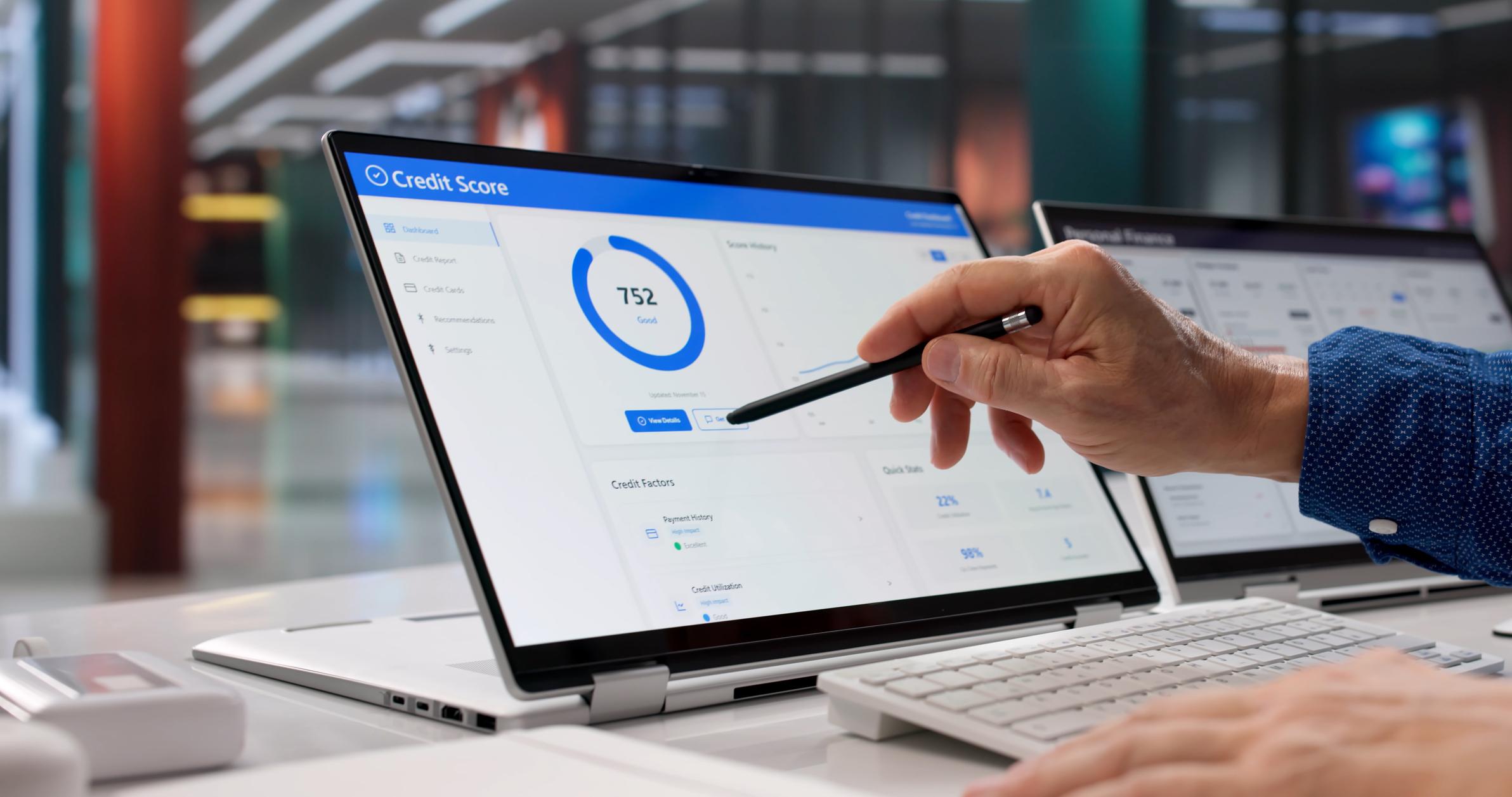
Credit utilization is one of the most influential factors in your credit profile, yet many people underestimate its impact. A single high balance—reported at the wrong time—can lower your score even if you pay your card in full every month.
Understanding how this metric works gives you a practical advantage. With a few strategic adjustments, you can strengthen your credit standing without taking on new debt or opening additional accounts.
What Is Credit Utilization?
Credit utilization refers to the percentage of your available revolving credit that you are currently using. It applies primarily to credit cards and lines of credit, not installment loans like mortgages or auto loans.
The formula is simple:
Credit Utilization = (Current Balance ÷ Credit Limit) × 100
For example:
- Credit limit: $5,000
- Current balance: $1,500
- Utilization: 30%
This percentage is calculated both per card and across all your revolving accounts combined.
Why Credit Utilization Has Such a Big Impact
Credit scoring models, including those developed by FICO and VantageScore, place significant weight on how much of your available credit you use.
In widely used scoring models, utilization falls under the category of amounts owed, which accounts for roughly 30% of a FICO score.
Lenders interpret high utilization as:
- Increased reliance on borrowed funds
- Higher financial risk
- Potential difficulty managing cash flow
Even if you never miss a payment, consistently high balances can reduce your score.
The Ideal Credit Utilization Ratio
A common guideline is to keep utilization below 30%, but lower is better.
General benchmarks:
- Below 10% – Excellent
- 10%–29% – Good
- 30%–49% – Fair
- 50%+ – Risky
If you’re aiming for top-tier credit, staying under 10% often produces the strongest results.
Per-Card vs. Overall Utilization
Many borrowers focus only on total utilization. However, scoring models examine both:
Overall Utilization
This reflects your combined balances across all revolving accounts.
Individual Card Utilization
Even if your total ratio is low, one maxed-out card can still hurt your score.
Example:
- Card A: $5,000 limit, $4,500 balance (90%)
- Card B: $5,000 limit, $0 balance
Overall utilization = 45%
But the 90% utilization on Card A signals elevated risk.
Balancing usage across accounts is just as important as maintaining a low total ratio.
Why Your Score Can Drop Even If You Pay in Full
Many people are surprised to see their score decline despite paying their statement balance every month.
This happens because:
- Card issuers report balances to credit bureaus at a specific time—often before your payment due date.
- If your reported balance is high at that moment, your utilization spikes.
To manage this:
- Make a mid-cycle payment before your statement closes.
- Monitor your reporting date.
- Keep reported balances consistently low.
How to Lower Your Credit Utilization Quickly
If you need a short-term boost—for a loan application, for instance—these strategies can help:
1. Pay Down Balances Strategically
Target the card with the highest utilization first.
2. Make Multiple Payments per Month
Reducing your balance before the statement closing date keeps reported utilization low.
3. Request a Credit Limit Increase
If approved without a hard inquiry, a higher limit instantly reduces your utilization ratio—assuming your spending remains the same.
4. Avoid Closing Old Credit Cards
Closing an account reduces your available credit, which can increase utilization even if your spending doesn’t change.
Common Myths About Credit Utilization
Myth 1: Carrying a small balance improves your score.
Reality: You do not need to carry debt. Paying in full is ideal.
Myth 2: Utilization only matters if you’re applying for credit.
Reality: It affects your score continuously.
Myth 3: All debt affects utilization equally.
Reality: Only revolving credit counts toward utilization calculations.
Long-Term vs. Short-Term Effects
Unlike missed payments, high utilization does not cause long-term damage. It has no memory. Once your balances drop and new data is reported, your score can rebound quickly.
This makes utilization one of the fastest credit factors to improve.
The Bigger Picture
While utilization is critical, it works alongside other factors:
- Payment history
- Length of credit history
- Credit mix
- New credit inquiries
Still, among all adjustable factors, utilization offers the most immediate and controllable impact.
Managing it effectively signals financial stability and responsible borrowing—qualities lenders value highly.
Frequently Asked Questions (FAQ)
1. Does credit utilization affect all credit scores the same way?
Most modern scoring models weigh utilization heavily, but the exact impact can vary slightly depending on the scoring version used by the lender.
2. How often is credit utilization updated?
It typically updates once per billing cycle, depending on when your card issuer reports to credit bureaus.
3. Is 0% utilization bad for my credit score?
Not necessarily. However, some models prefer to see minimal activity. Using a small portion and paying it off can demonstrate responsible usage.
4. Do personal loans impact credit utilization?
No. Installment loans such as personal loans, auto loans, and mortgages are not included in utilization calculations.
5. Can increasing my credit limit hurt my score?
If it requires a hard inquiry, you may see a small temporary dip. Otherwise, a higher limit usually helps by lowering your utilization ratio.
6. Should I spread spending evenly across cards?
Yes, keeping individual card utilization low helps optimize your score.
7. How long does it take for utilization improvements to raise my score?
Improvements can appear as soon as the next reporting cycle, often within 30 days.